Hug the Green
Hug the Green designs ecological encounters—meetings of humans and nature that fundamentally increase life in both.
My work starts with the living systems of a site. As an ecologist, I focus particularly on (1) water conservation and flood mitigation through nature-based solutions; and (2) strengthening native biodiversity from a whole-ecosystem perspective—across scale and vertical stratification. The goal isn’t simply to add species, but to create the conditions for a diverse, interconnected ecosystem to function robustly.
Rather than layering humanity on top of that ecological infrastructure, people are woven in as integral components of the ecosystem, changing and being changed by each site’s unique story. A place becomes welcoming when it offers opportunities to live as humans do–alone, in pairs, or as a group–eating, playing, resting, socializing, working, thinking, exploring, connecting. Across ages. Across cultures. Across abilities. Nature has always been our home out-of-doors. Drawing on my background in education and community development, my designs send the message without a sign:
Welcome!
You are warmly invited to an Ecological Encounter
thoughtfully crafted with YOU in mind.
Selected Work
Parks & Public Spaces
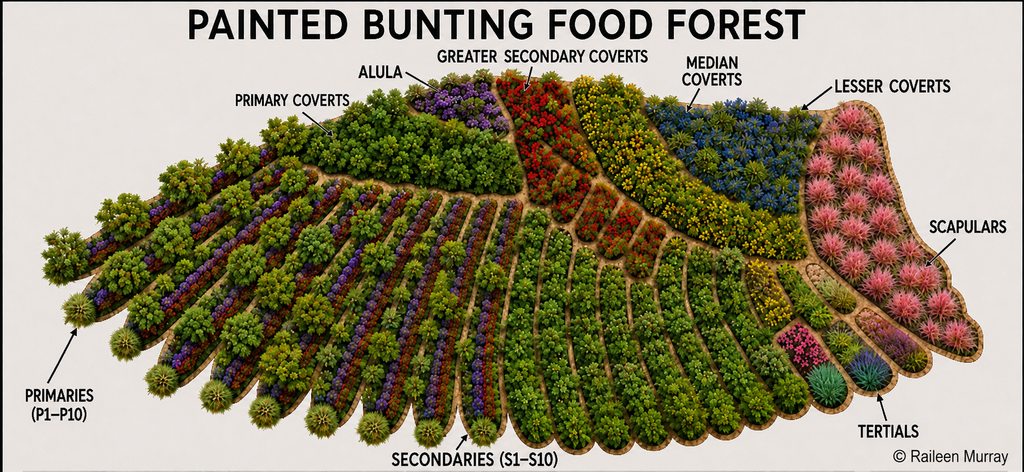
Painted Bunting Food Forest
Coastal Texas | Public Landscape | Concept Design
The Opportunity
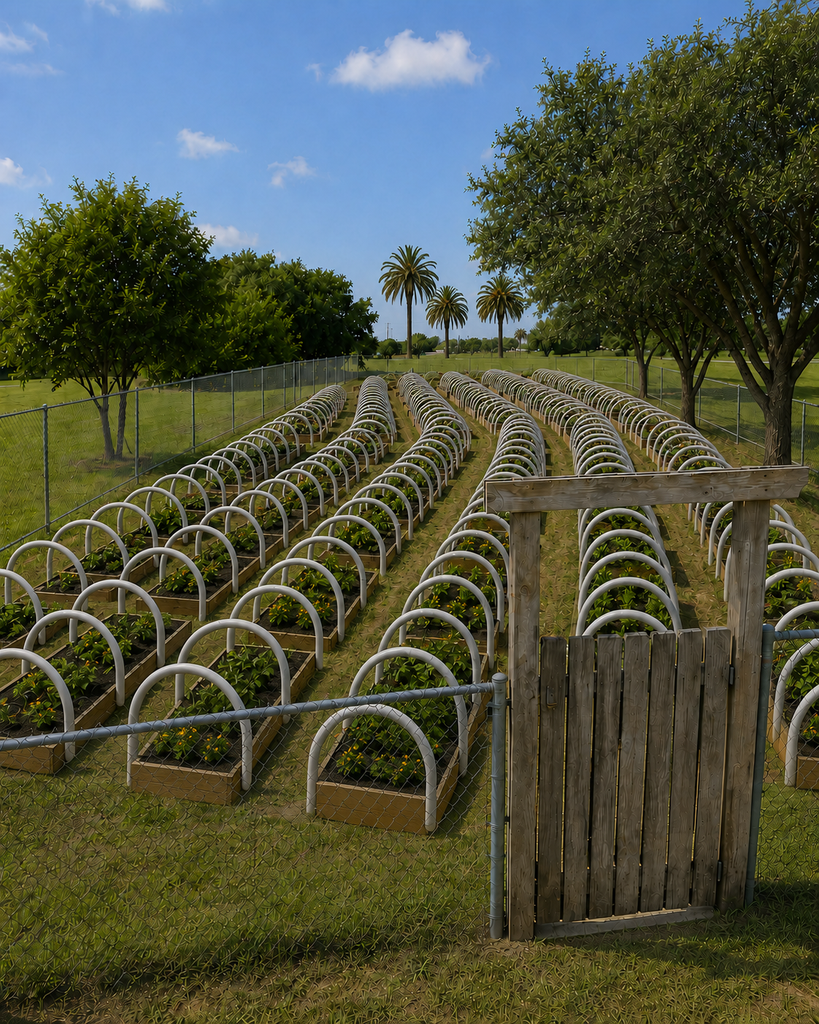
An overgrown community garden had become an abandoned eyesore, with its annual planting model dependent on sustained volunteer labor. How could the site fulfill its original mission of providing community food while reducing maintenance demands and supporting local wildlife and tourism?
The Response
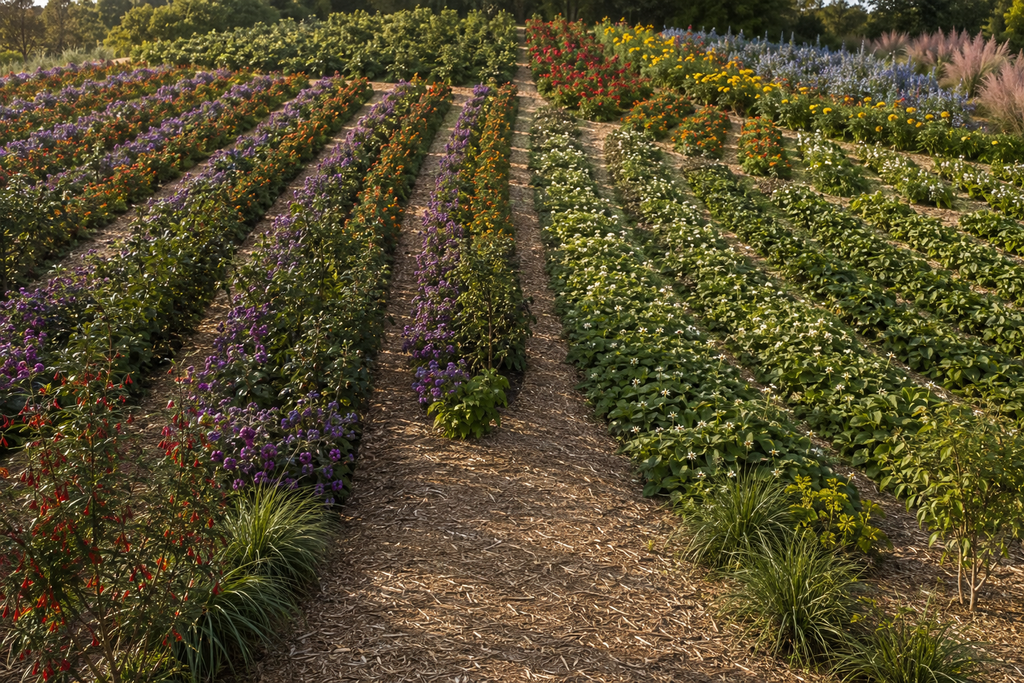
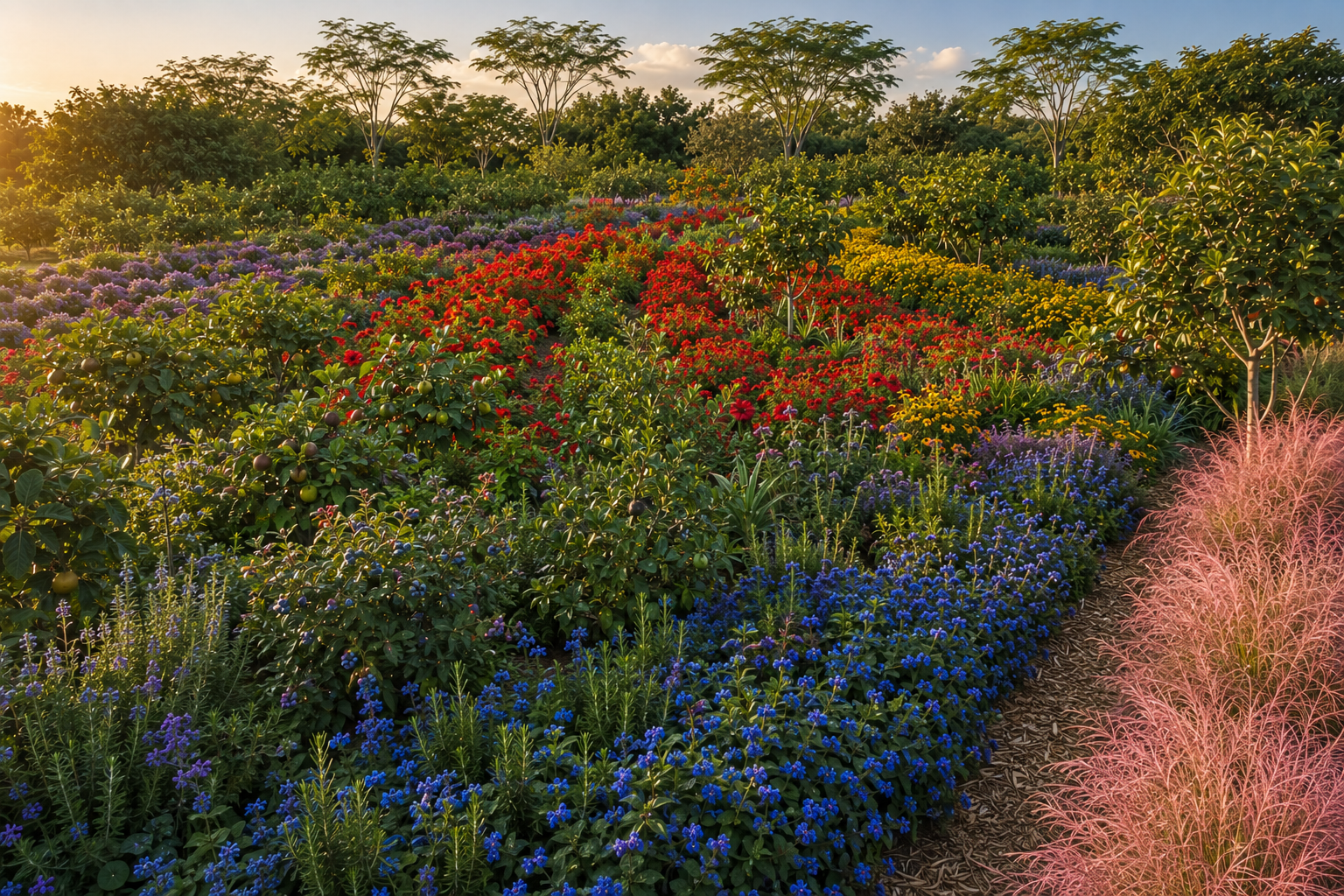
Transform the garden into a perennial food forest shaped like the wing of a painted bunting. Feather-like planting bands are separated into major sections by accessible pathways, while narrower harvesting paths invite exploration between “feathers.” Reusing existing infrastructure, the design offers plentiful food and habitat to its namesake while meeting goals to reduce maintenance needs, produce community food, increase biodiversity, deliver environmental education, foster civic identity, and create a one-of-a-kind destination.